Highlights and Shadows
Objects are usually shaped by highlights and shadows in lighting. Audience usually can see the texture of the surface through highlights. If the surface is smooth, then the highlights will be gleam and sparkle. If the surface is rough, the highlights will be more diffuse. It is the same for shadows. Lights have a dramatic influence on both texture and shape of the object. For example, if we see a ball lit from front, it appears to be round. However if we see it from side, it appears to be a half-circle. ‘The proper use of light can embellish and dramatize every object. (Stenberg, J, V) Lighting shapes our sense of space in some degree. It also shapes the overall composition of shots. For example, we can see some off-screen space through the shadows. In some films, the main character is emphasized by a clearly lit and frontal figure.
Quality
There are generally four major aspects that filmmakers exploit and explore in lighting, its quality, direction, source and color. Quality refers to how intense the illumination is. The problems hard lighting may cause are clearly defined shadows, sharp edges and crisp textures. By contrast, soft lighting creates a diffused illumination. The noonday sunlight is usually hard lighting, an overcast sky is usually soft lighting, there are lots of lighting situations are between these two extremes.
Source
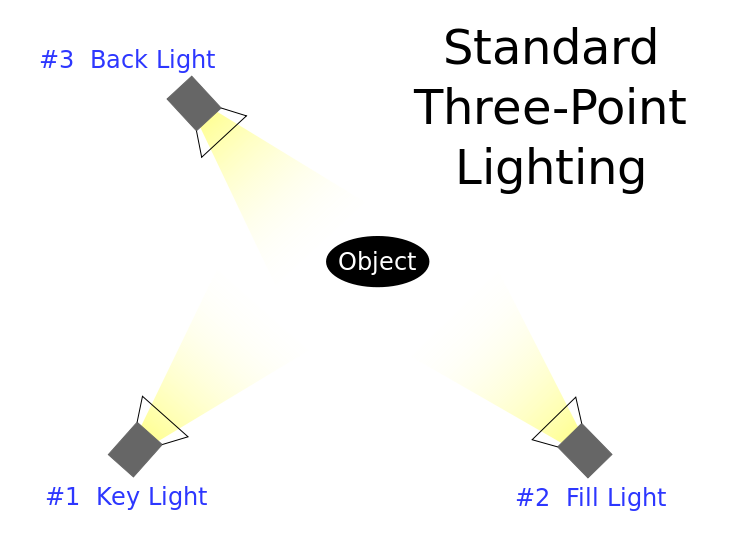
In making documentary films, filmmakers usually use lights that are available. However in fictional films, extra light source are needed. These extra sources help to obtain greater control of images’ look. The original lights in the set are usually not strong and varied enough to create the great image effect on big screen.
Color
We usually imagine that there are two basic lights in filmmaking, the white sunlight and the yellow lamp light. In fact, filmmakers use the as purely white a light as they can, then they put filters in front of the light sources, they can design any color of fashion as they wish.


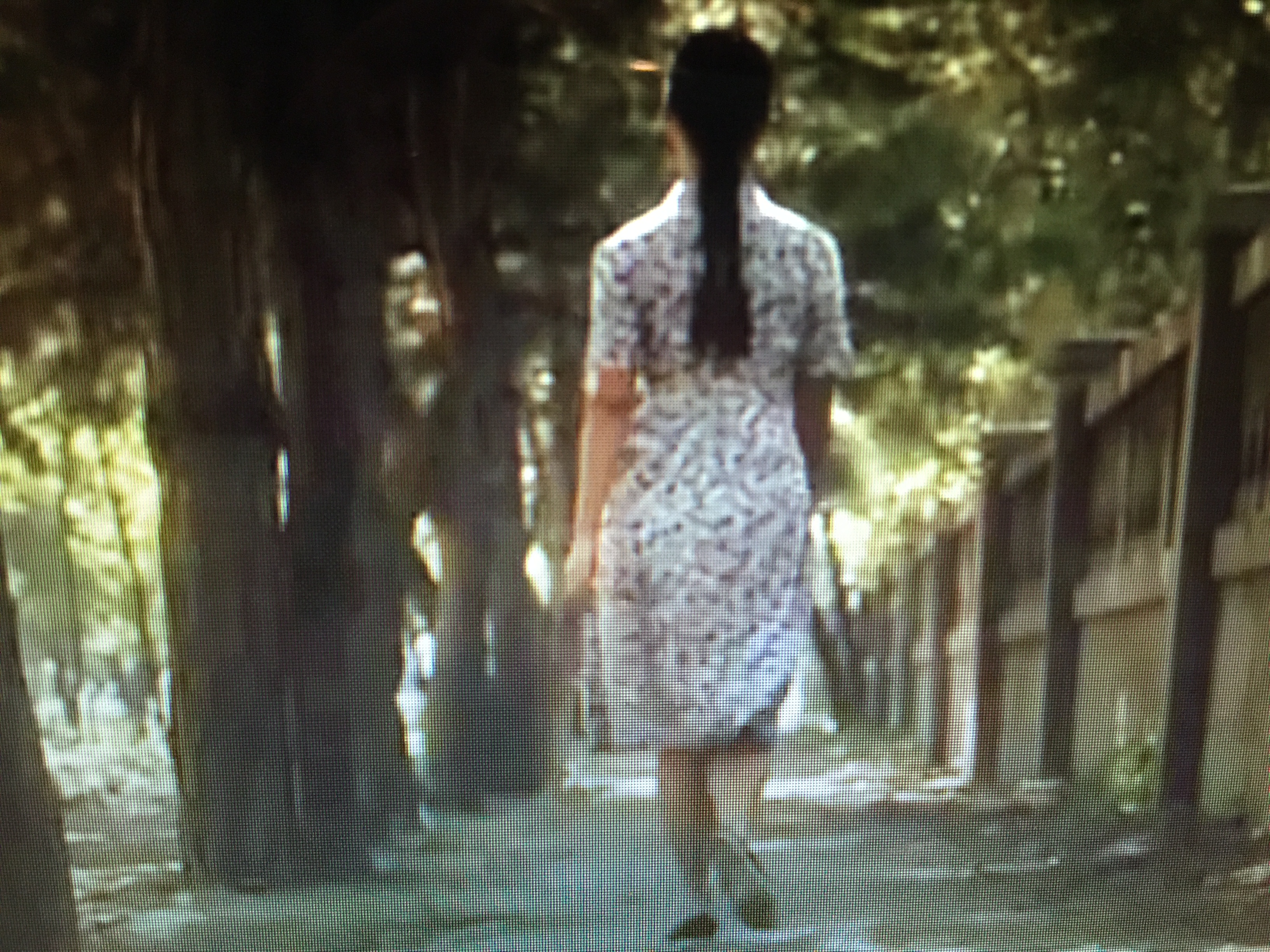




 Une femme est une femme is a French movie directed by Jean-Luc Godard, starring by Jean-Claude Brialy and Anna Karina. It is the typical representation of French New Wave. This kind of filmmaking style was active during the period between 1950s and 1960s. The New Wave filmmakers were linke
 d by their self-conscious rejection of the literary period pieces being made in France and written by novelists, along with their spirit of youthful iconoclasm, the desire to shoot more current social issues on location, and their intention of experimenting with the film form. ‘New Wave’ is an example of European Art Cinema. In the film, the most noticeable is the applying of sounds. Differ from the classical narrative movie, the sound is very jumpy. It usually goes and stops. The movie has a strong focus on the principals’ psychologies struggling. It is presented in a very realistic, relaxing and funny way.