Week 7 Reflection/ Epiphany

Although this week’s focus was on our 3-minute class presentations that we had to deliver on Friday, I was able to divide my time between writing my presentation and concentrating on the video investigation task that Paul issued to complete and submit this week. Through undertaking this task, it was my aim to explore, not only what imagery I wanted to depict on screen for my final film, but how I’m going to capture it more in the technical sense. Whether I need wide-angle lenses, a follow focus to assist me when shifting focal points, what sort of lighting equipment I needed to shoot in the dark and how I could shoot my focal subjects to achieve the best aesthetic shot.

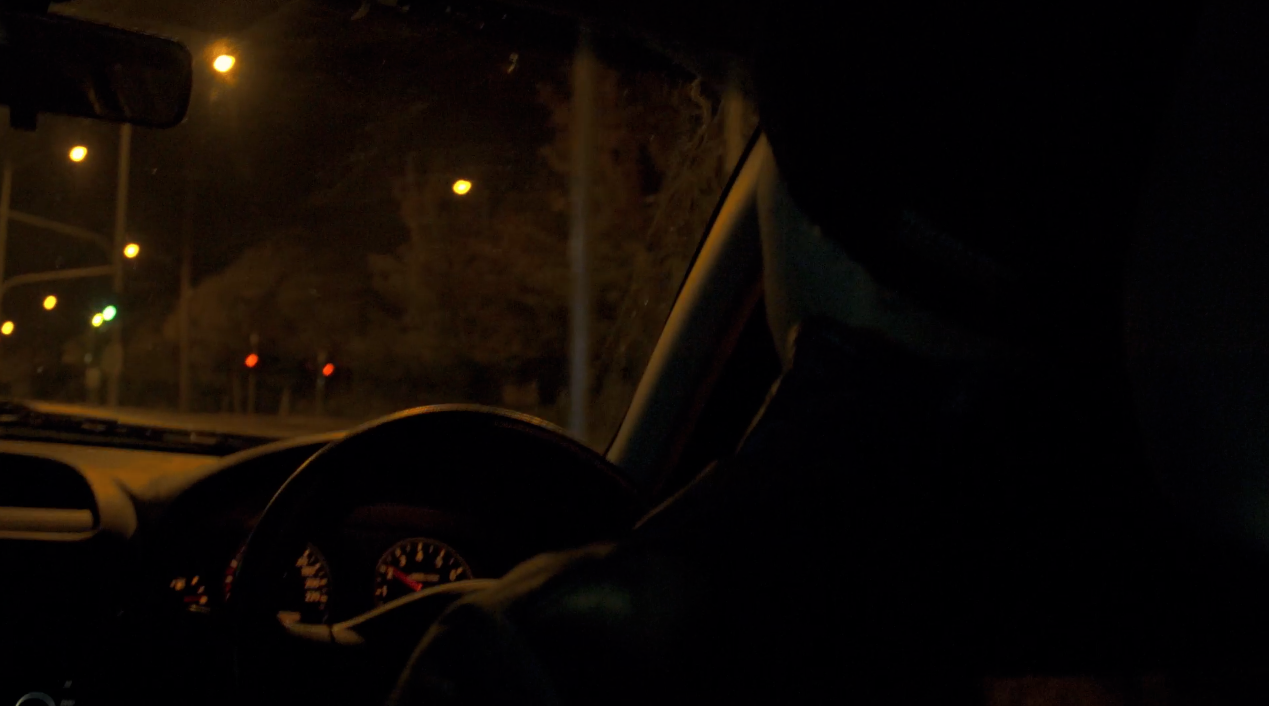
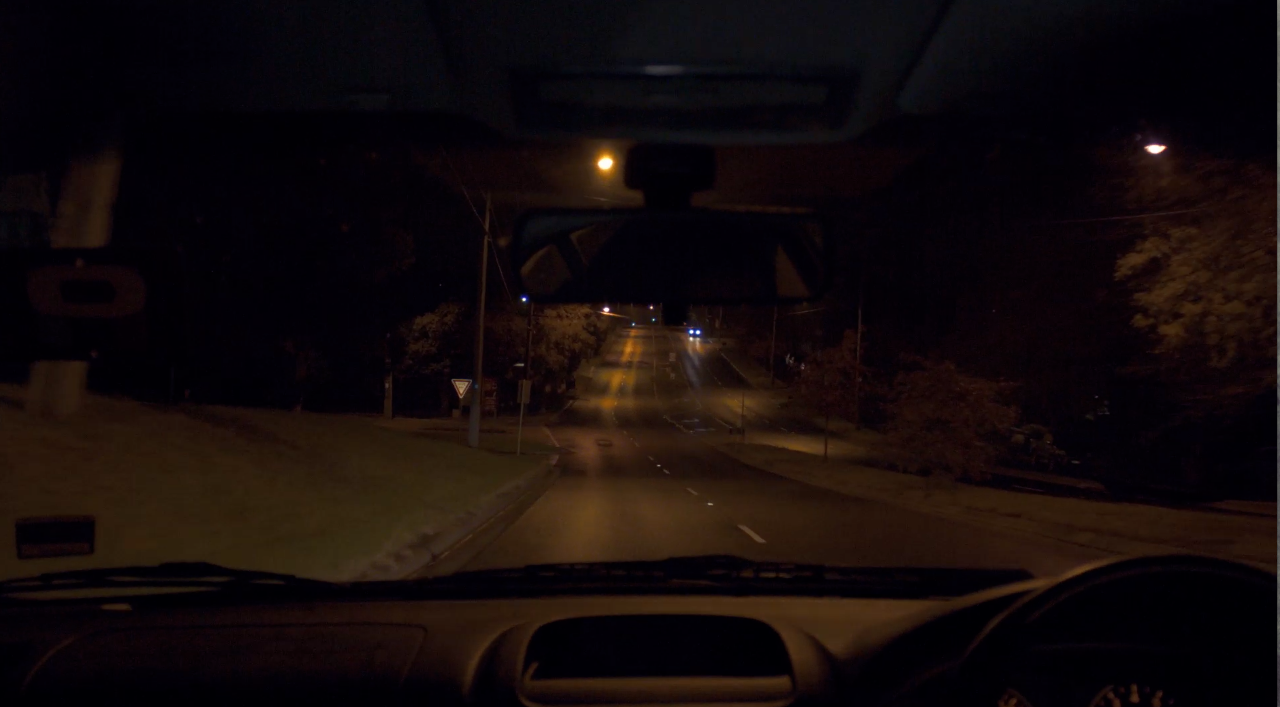
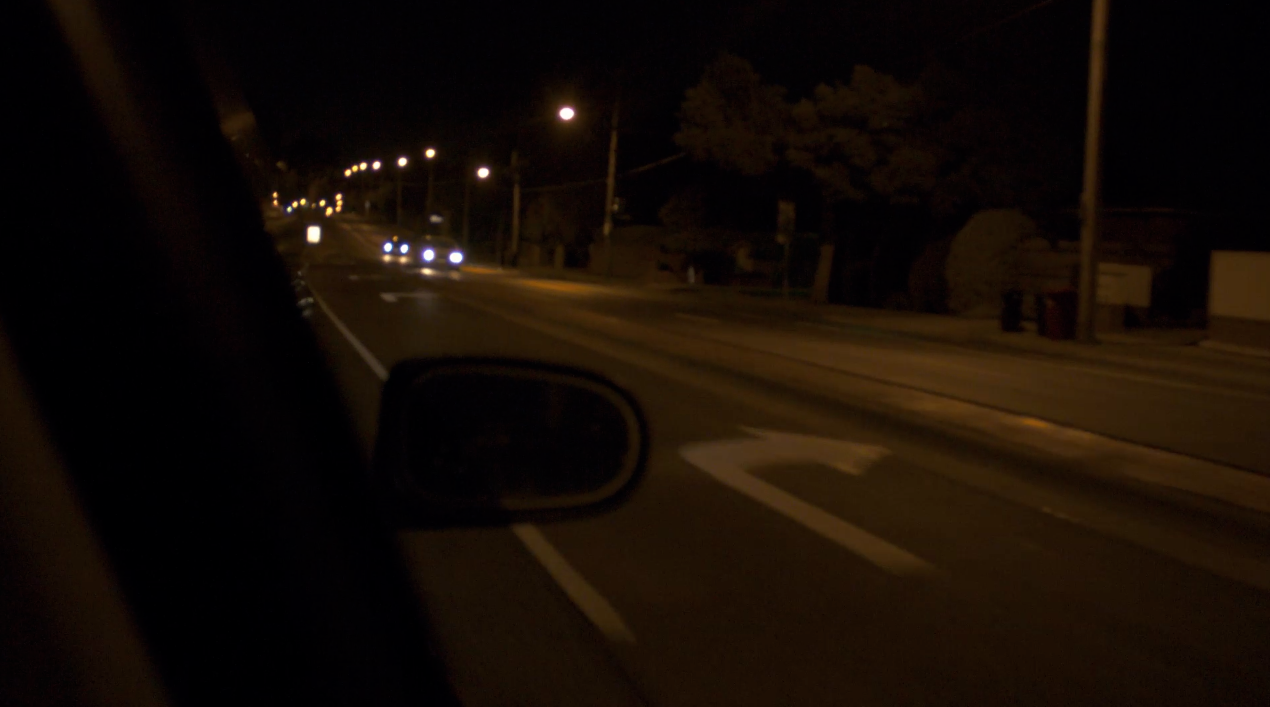
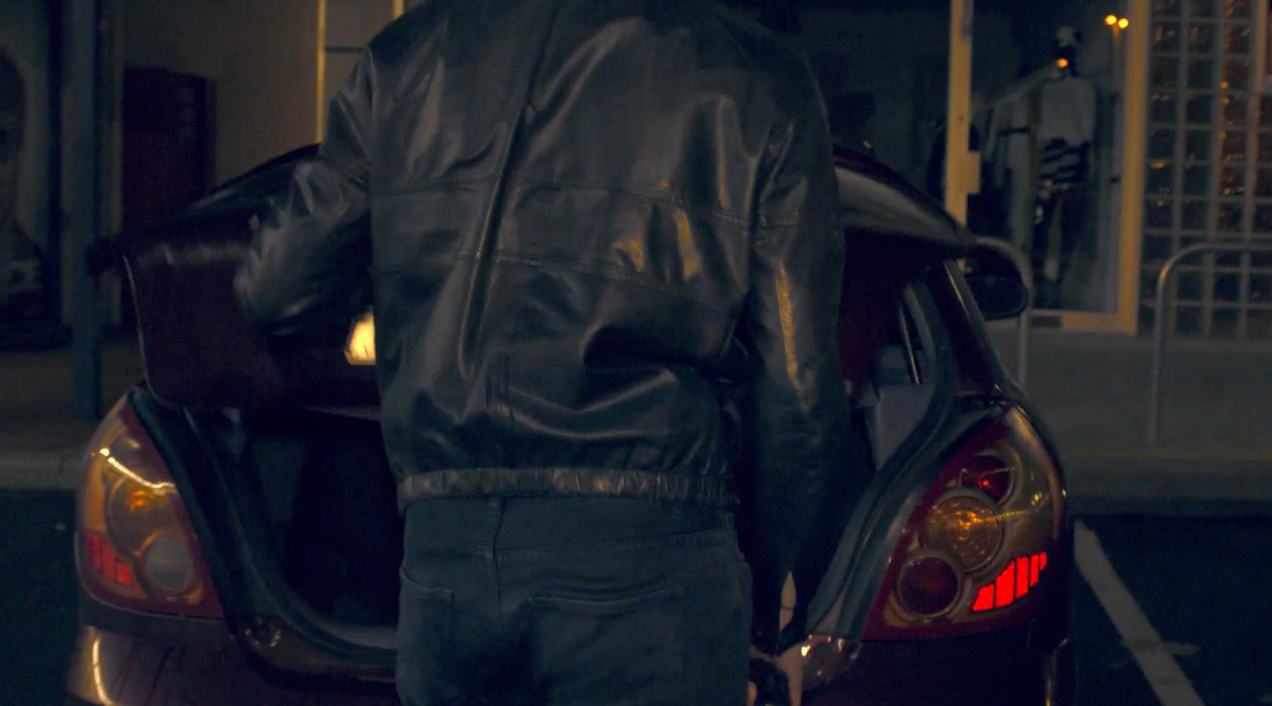
After completing my storyboard/ visual references of the type of visuals I want to capture, I decided the best way for me to decide how I’m going to shoot the film was to shoot a test video, reflect on it, and if I’m not happy with the results, to shoot another video on the following weekend where I’d technically alter my shooting methods to see which way can produce the best results.

This week, with the help of a good friend of mine who was happy to perform in my video, I was able to film some of the shots I had in mind to be featured in my final film. However, I decided to shoot my test video under certain constraints, which would affect the overall essence and look of the video. Although I didn’t know whether or not these constraints would work to my advantage, I nevertheless wanted to explore and experiment with them anyway.

So my video was shot very similar to how Dogme 95 films were created, as I wanted to explore filmmaking styles that emphasize realism and the simplification of film production. Persisting to exist between 1995 till 2005, Dogme 95 was an avant-garde filmmaking movement created to “purify filmmaking” urging filmmakers to focus on the story and actors performances rather than superficial elements of production. When making a Dogme film, there were certain rules known as the vow of chastity, which filmmakers had to abide by. These rules included:

1 Filming must be done on location. Props and sets must not be brought in.

2 Music must not be used unless it occurs within the scene being filmed.

3 The camera must be hand-held; filming must take place where the action takes place.

4 The film must be in colour. No special lighting.

5 Optical work and filters are forbidden.

6 No superficial action (No murders, weapons, etc.)

7 No temporal or geographical alienation.

8 No genre movies.

9 The aspect ratio must be 4:3, not widescreen.

10 The director must not be credited.

With exception to rules 2 and 9, I remained loyal to these rules. Consequentially I was able to obtain a certain stylistic look throughout my footage, which expressed rawness and realism, accentuated by the shakiness of the camera and the lack of over lighting. This made me realize that I may not need all the equipment that I initially thought I needed such as a tripod and additional lighting, which will counter my acquired results with a more polished and artificial “big budget” production look. Certainly in this case, I was able to understand the concept “sometimes more is less”. As I am still not sure what kind of style I want my final film to reflect, either raw/ natural or polished/ Hollywood film-eque, I will aim to do some additional camera test using more equipment to determine my productions final shooting conditions.

Screen Shot 2015-04-27 at 12.32.57 AM Screen Shot 2015-04-27 at 12.33.48 AM Screen Shot 2015-04-27 at 12.35.53 AM Screen Shot 2015-04-27 at 12.34.29 AM Screen Shot 2015-04-27 at 12.36.18 AM Screen Shot 2015-04-27 at 12.35.30 AM


VIDEO LINK:

https://drive.google.com/a/rmit.edu.au/file/d/0B_EHaIpWZ2UNM3dBelNaODRneUU/view?usp=sharing
MY METHOD OF WORKING pt 5

There are a number of technical and creative elements of filmmaking I wish to investigate/ explore this semester:

1) How images can naturally develop a structured narrative with the sole intention to only recreate the images I have in my mind and want to bring to life. Essentially, producing a film that’s built around the visuals rather than creating a structured story and constructing the film around that.

2)How improvisation effects performance.

3)The differences between performances from experienced and first time actors.

4)Lastly, how to effectively film a scene within the restrictions of shooting in a car and at night.

Although most of these aspects will be explored in the film I intent to produce this semester, I may wish to condense my formal list of elements I wish to research extensively for this course.

Scene In Cinema: Week #6 Reflection/ Epiphany

This weeks classes where more theoretical, rather than the practical nature most our Scene in Cinema classes in the past have been, as we dedicated majority of our time preparing for our week seven presentations and pre-production for the filming our short film/ scene assessment task.

Although, on Wednesday, I began to brainstorm all the filmmaking processes I want to investigate and explore during the production stages of my film, Friday’s class was best described by Paul as “the first day of the rest of the semester”, as I officially commenced my pre-production for what I assume will consume a vast majority of my time in this course. After Friday morning’s brief camera coverage exercise, where we focused on cheating our shooting space by moving the actors between takes to enhance the environmental continuity, I began my pre-production by making a visual storyboard consisting of frames from various films which have inspired the cinematography and lighting I want to create for my film’s night time car scene.

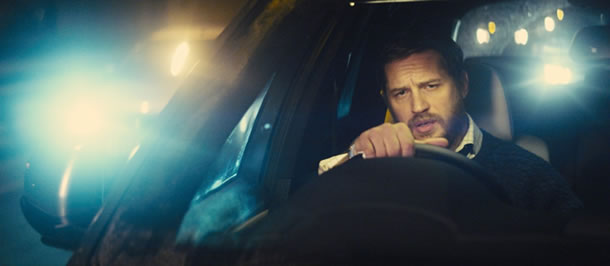
Although I have collected various still frames of characters driving in films such as Drive (2011), Breathless (1960), Irreversible (2002) and Locke (2013), when collating my storyboard, I hope to be able to utilize these images merely as visual references to inspire me to produce new and exciting cinematic approaches to cover a scene in a car.

locke-movie-trailer-tom-hardy-0362014-152241

MY METHOD OF WORKING pt 4

My main areas of investigation, which I’ll be focusing on for the rest of the semester, are in relation to developing my style as a filmmaker. I will explore how images can organically develop a structured narrative with the sole intention to recreate the strong images I have in my mind and want to bring to life. Essentially, my aim from this task is to produce a film that’s built around the visuals rather than creating a structured story and constructing the film around that narrative.

As my main priority is the image, pre-production will consist of me completely disregarding the screenwriting process, rather taking my story concept and brainstorming the imagery I’ve visualised to be depicted in the film within the type of shots, accompanied with the stylised mood lighting to illuminate and enhance the image. Additionally, as I’ve set my film at night and majority of the scenes in a car, I will need to consider how these factors will affect the technical aspects such as the camera, lighting and sound set-up. Therefore, I intend to do a few sound and camera tests for the purpose of lighting design and gaining familiarity of using the equipment within the spatial constrictions of a moving car.

MY METHOD OF WORKING pt 3

“I wanted to make a movie with images coming from all directions, I wanted to make a different kind of film… I wasn’t concerned about how it was photographed or where it came from… I saw it almost like a book of photos… but there’s a narrative that develops through this, there’s a cohesion. That was the idea of the movie, I just wanted to set things up and I wanted to just document it and make sense of it later”- Harmony Korine on the making of Gummo (1997). I find this quote extremely relevant as it best encapsulates the essence of the filmmaking process I aim to follow for the creation of my film.

Scene In Cinema: Week #5 Reflection/ Epiphany

I was all too familiar with the way week five’s exercises were conducted. During the first single take task, I undertook the role as camera assist/ focus puller and then accepted the role of camera operator for the second multiple take task. As I’m most frequently put into the camera positions, I aim to direct my groups next scene as I hope to be able to work professionally in the field of directing larger scale films in the future, therefore would like to take the opportunity in these class exercises to practice my skill and learn from any mistakes I make.

Upon finishing my final edit I’ve realized that not only in this week’s scenes, but additionally each time I’ve had to edit a scene for this course, a significant factor that greatly impacts the nature of the performance we capture on camera depends on whether we are given a script or a series of actions from a synopsis to film.

After the comparison between both scenes we filmed this week, its evident the acting in my edited one shot take appears more natural due to the improvised acting performed by the two individuals who loosely followed the basic scene actions, than the acting performed by the duo in the multiple take scene, which we filmed using a script with written dialogue. This seemed more obvious to me after reviewing all my past edited exercises to see the constant trend of improvised performances producing scenes featuring more natural acting.

I believe this is due to the fact the “actor” is able to create their own dialogue that is native to how they speak in reality rather than the lackluster material written on the script, which most likely would not be repeated by the “actor” if they had to go through the scripted situation in real life.

MY METHOD OF WORKING pt 2

I’ve come to the conclusion that as a filmmaker, I don’t enjoy undertaking the filmmaking processes for each of the short films I have made because I find it very stressful. Rather than creating films for enjoyment, filmmaking is almost like a catharsis for me as I’m usually inspired by my desire to recreate observation, experiences or to create something new I haven’t seen or experienced before. Ultimately, it’s the final edited result that I look forward to when making a short film. Its additionally strange for me to admit that each time I have made a film which I have been pleased with, it was created in a strictly controlled and rather un enjoyable environment, as opposed to the few instances where I rather enjoyed the filmmaking process whilst creating films which I have gone to hate.

I really want to be able to make great films, however I want be able to enjoy the filmmaking stages from pre to post production, when tackling such projects. Therefore, for the short film I intend to create for this course, I have decided to experiment with the notions of filmmaking by simplifying all production processes to ensure not only a more enjoyable, but also a more natural shoot. I believe I can achieve this by restricting myself to focus only on the visuals to create my film with an enormous emphasis on imagery to provoke emotion rather than constructing the film traditionally, in a way where we heavily depend on the elements that consist of the various filmmaking processes. Processes such as story/ script development, intense auditioning/ casting, storyboarding and intense rehearsals with the cast and crew. In other words I want majority of my film to be conceived naturally in the heat of the moment when I’m on location and ready to shoot.

I credit my motivation to create my film with the utilization of this method (or a lack of a substantial method), as a consequence of being inspired by independent art-house cinema, such as the films from acclaimed filmmakers Gaspar Noe and Harmony Korine. In Particular, majority of my inspiration originates from viewing Noe’s controversial films Irreversible (2002) and Enter the Void (2009). It’s evident that from the French director’s utilization of extreme graphically vivid and powerful imagery, it effectively fills the void for the lack of complex narrative progression and storyline throughout his films. It’s obvious, that much like art, Noe’s films are crated with a strong emphasis and focus on visuals that encapsulate the essence of his films, which stimulates audiences and instantaneously provokes viewers to see and feel something from his visual work.

In conclusion, my aim for this task isn’t necessarily to achieve the highest quality film, rather to experiment with the processes of filmmaking in order to understand and develop my own style of creating good films which are hopefully more enjoyable to produce.

irreversible
Irreversible
irreversible6
Irreversible
enterlevoid
Enter the Void
enterthevoid
Enter the Void

A short summary of Mise-en-scene

Derived from the French language meaning “putting into the scene”, Mise-en-scene refers to the specific elements that appear in the frame of the film that the director has control over. Mise-scene is based on the visual components of; lighting, costume, make up, props and the staging of the movement/ performance of the actors, arranged by the director for the camera.

Either existing or constructed settings are an important component of mise-en-scene. The design of a setting can shape how the audience understands story action. Things such as color, props and the size are important factors of settings. Much like setting, costume and makeup have specific functions within the film, which can be either realistic or stylized. Often costume is designed and coordinated with the setting of a film, which can assist the characters to stand out or assimilate with their environment. Lighting creates a composition of the shot and guides our attention to certain actions and objects, as well as creating shape and texture through highlights and shadows. Highlights and shadows are also able to assist our sense of a scenes space within the setting. Lastly, staging refers to the director’s control of the movement and performance of figures from human actors to objects either stylized or individualized. These aspects of mise en scene are arranged to create the notion of various effects from a specific imaginary style to realism, depending on the films intent.

Essentially the components of mise en scene such as lighting, costume, make up, props and figure placement/movement produces a three dimensional environment for the action of a film. As the director has power over each element on frame, sometimes stylistic choices, regarding mise-en-scene, precludes realism.

MY METHOD OF WORKING Pt 1

I love moving shots. Whether it’s panning, tracking, tilting or dollying, I’ve always loved a moving camera shot. Even if the character or the focal objects are rather still or completely motionless within the frame, a floating shot always seems more cinematic and exciting (for a lack of a better term) to me than capturing anything in a still frame. Which is why I love the steadicam. Recently after being involved in commercial shoot where I was working alongside a steadicam operator on set, I was able to see the true beauty of a perfect tracking shot, which reminded me of my love for the moving camera shot. Obviously it always depends on what you want to film and achieve through cinematography, but especially when following movement, a camera operating on a steadicam or on a rig of some sort will always have the capability to produce a more interesting shot than a camera positioned flat on top of a tripod on the ground.

This has influenced my decision to not use a tripod for the scene/ short 4-minute film I have written and intend to shoot for this course. For what I want to capture on camera, I feel as though I can’t afford the restrictions obtained from placing the camera on a tripod. I need the near limitless flexibility of using a rig to move my camera freely while eliminating the shakiness, which is synonymous with handheld camerawork. Consequentially, I hope my decision to use a handheld rig when filming, will contribute towards the overall visual aesthetic and cinematic feel of my scene/ film.

48947-steadicam_teaser

Doors Scene Deconstruction & Analysis

My edited version of the “The door scene” consists of 3 shots;

  1. A panning Close up of Van walking down a hallway
  2. A Medium Wide two shot of Cine approaching Van
  3. A wide angle of X entering frame to accompany Van and Cine within the shot.


The scene is covered in a rather unorthodox style. Instead of a typical wide angled establishing shot, the scene begins with a close up of the central character Van, as she walks through a hallway. The utilization of this close and rather claustrophobic shot establishes the limited space the central character has within her surrounding.


As depicted in the following medium wide shot, due to the restricted space Van has to move within her environment, she decides to stand still with her back facing the wall upon being started by the sudden sounds of a door being opened. From these actions and facial expression, Van’s performance reflects the implication that she isn’t supposed to be wondering inside the building. While Van spontaneously begins to attempt a series of pirouettes, Cine emerges from one of the nearby rooms and walks slowly towards Van. In conjunction with the slow pacing of Cine’s walk towards Van and her movement through the shadows of the poorly lit hallway, the scene presents a brief tense moment as its unknown to the audience as how Cine will react upon seeing Van hiding in the building. However the shot ends rather anti-climactically due to Cine’s apathetic reaction to Van’s presence.


Throughout the final lingering stationary wide shot, it not only introduces the additional character, but certain elements within the shot reflect the character of X. Immediately upon hearing Van and Cine enter his area of the building, X bursts through the doors and coldly greets them, which establishes him as an unlikable and mean spirited character. Furthermore lighting is an important factor. Due to the darkness of the building’s low-key lighting and the specific positioning of X within frame, the character is always covered in the darkness of shadows, which suggests the mysterious nature of X. This is further heightened by the way this character is depicted on screen, due to the omission of a shot positioned in front of X, as his face is never revealed to the audience. Thus contributing to audiences potentially identifying X as a mysterious, and possibly sinister character.